Kush Dhebar

RESEARCHER | EDUCATOR | STORYTELLER

Fostering Cultural
Intelligence through
Storytelling and Play.

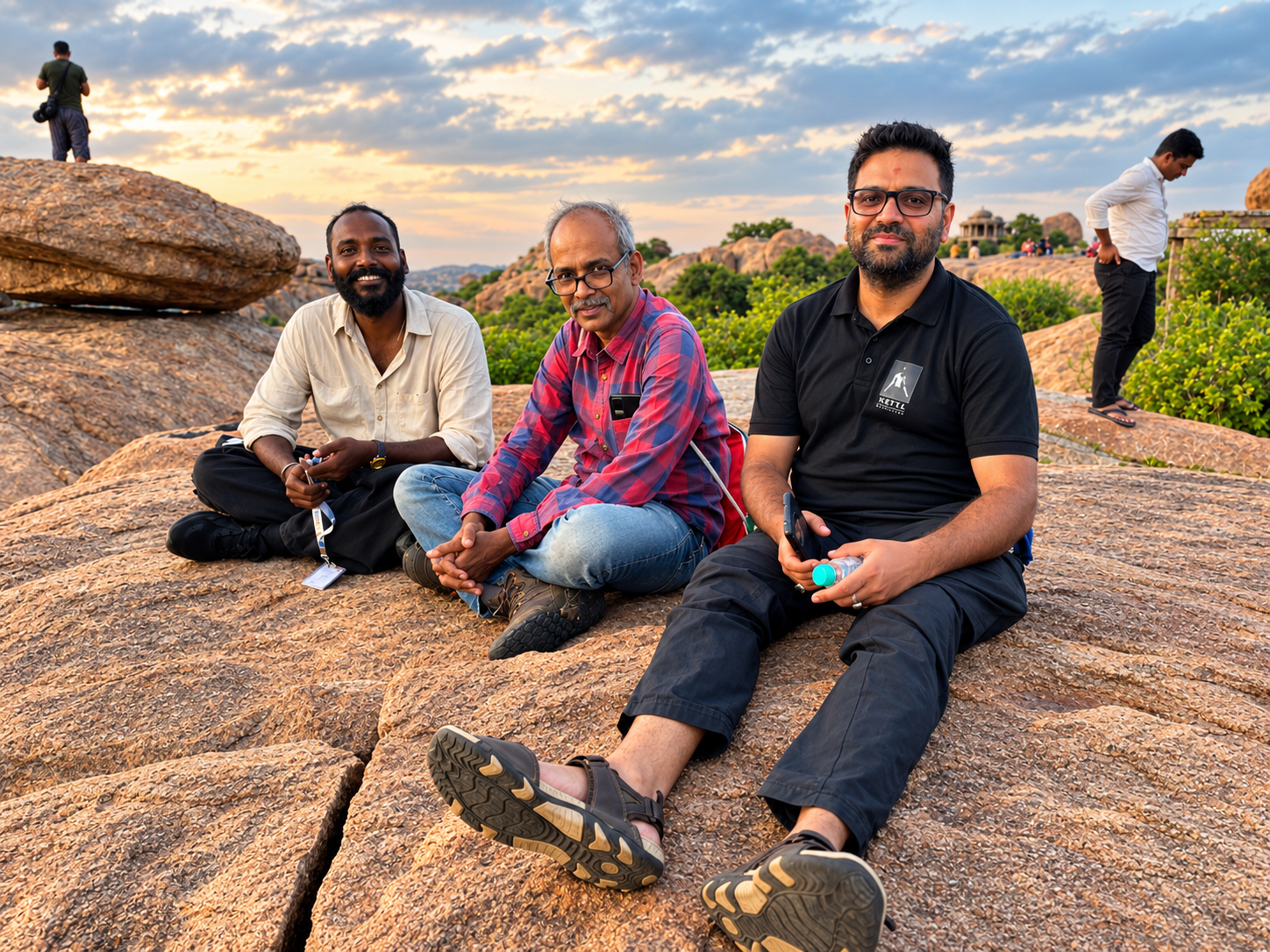
Kush Dhebar, PhD is a culture expert and practitioner who communicates complex cultural concepts and endorses cultural intelligence among Indian children and youth through engaging storytelling and play. With a PhD in Archaeology from Deccan College PGRI Pune, and close to 15 years of experience across education space, academia, development and government sectors Kush brings his highly contextual and ground level insights into his work be it writing comics on complex cultural topics or creating games on Indian cultural concepts or curating customized experiences and learnings for a varied demography. Cultural intelligence as a skill is at the core of everything Kush does and creates.

PHILOSOPHY

Kush’s worldview and philosophy have been shaped by a myriad of experiences and interactions with highly accomplished individuals in various sectors. Teaching students belonging to various socio-economic strata of the Indian society and conducting archaeological excavations and explorations in the countryside of India molded Kush’s understanding of the role of culture in Indian society and in general. Kush believes culture is everything and anything modified or created by the human species. It can be a stone tool or a building or a song or an HR policy.
Culture is what differentiates the Humans from the other species on Earth. Kush studied how various successful personalities and leaders throughout the past and even present had certain degree of high cultural intelligence or quotient to reach where they did and leave a lasting impression. Kush in his short life-span has been fortunate enough to earn the Teach for India Fellowship, PhD, India Science Book Fellowship, LAND Shapeshifter Grant, Brij Cultural Leaders Fellowship, Ashoka Post Doctoral Fellowship and many more credited to his acquired skill of cultural intelligence.

PHILOSOPHY

Learning, Earning
and Giving Back

Now Kush wants to learn more about it and disseminate the knowledge and value of this skill among Indian children and youth. Today, more than ever, cultural intelligence is an important skill to have since there are greater divisive forces who are using culture as a tool to cause harm in this world.
Kush believes that culture on the other hand has the power to unite the entire humanity and foster holistic well-being in the world. Kush aims to play a small part in this ambitious endeavor of creating a culturally intelligent India.

CULTURAL INTELLIGENCE

What is Cultural
Intelligence?

Cultural Intelligence, often called CQ (Cultural Quotient), is the ability to understand people from different cultural backgrounds and to behave appropriately when interacting with them. In simple words, it means knowing that people may think, communicate and behave differently because of their culture, and being able to adjust our own behaviour respectfully.
Culture influences many parts of human life. It affects the way people greet one another, speak, use body language, show respect, understand time, express disagreement, build relationships and make decisions. However, people from the same culture are not all identical. Each person also has a unique personality, family background, education and life experience. Therefore, Cultural Intelligence does not mean memorising fixed rules about every culture. It means learning to observe carefully, avoid quick judgments and understand the meaning behind people’s actions.

Earley, Ang and Tan describe Cultural Intelligence as a person’s ability to adapt successfully to unfamiliar cultural settings. They broadly divide it into three parts or stages per se (Earley, Ang and Tan, 2006).
The Parts of Cultural Intelligence

CULTURAL STRATEGIC THINKING

The first part is cultural strategic thinking. It means thinking carefully about what is happening in a new cultural situation. A culturally intelligent person does not immediately assume that another person is rude, careless or uninterested. Instead, the person asks: “What else could this behaviour mean?” This helps prevent misunderstanding and stereotyping. Cultural strategic thinking includes cultural knowledge, awareness of one’s own assumptions and the ability to learn from new experiences.

MOTIVATION

The second part is motivation. Understanding another culture is not enough. A person must also be willing to communicate, learn and continue trying even when mistakes occur. Cross-cultural interaction can sometimes feel uncomfortable or confusing. Motivation gives a person the confidence and patience to continue building relationships.

BEHAVIOUR

The third part is behaviour. Cultural Intelligence is shown through action. A person must be able to change communication styles, gestures, tone of voice, personal space, greetings or other behaviours when the situation requires it. For example, someone may learn to use a culturally appropriate greeting or to communicate more indirectly when direct speech could appear disrespectful.

BEHAVIOUR

Cultural Intelligence is related to, but different from, emotional and social intelligence. Emotional intelligence helps a person understand and manage emotions, while social intelligence helps a person deal effectively with others. Cultural Intelligence adds the ability to understand how cultural differences influence emotions, communication and behaviour.

THE OXFORD REVIEW PERSPECTIVE

The Oxford Review also presents CQ as the ability to work and communicate effectively with people from different cultural backgrounds. It emphasises that Cultural Intelligence involves awareness, understanding, respect, flexibility and the ability to adapt one’s behaviour.

ABOUT CULTURAL INTELLIGENCE

Thus, Cultural Intelligence can be understood as the combined ability to notice cultural differences, understand them without prejudice, remain motivated to connect with others and respond in a respectful and effective way. It is not a fixed talent. It can be developed through education, observation, reflection, meaningful intercultural experiences and regular practice.

Why is it Important to Develop
Cultural Intelligence Today?

Developing Cultural Intelligence is important today because people from different cultural backgrounds interact more frequently than ever before. Global travel, migration, international education, digital communication, multicultural workplaces and social media have connected people across geographical boundaries. We may communicate daily with people whose languages, traditions, beliefs and social practices are different from our own. Cultural Intelligence helps us manage these interactions with understanding and respect.
One important reason for developing CQ is that it reduces misunderstanding. The same words, gestures or behaviours may have different meanings in different cultures. For example, direct criticism may be considered honest in one setting but rude or humiliating in another. Silence may show respect in one culture but disagreement in another. Without Cultural Intelligence, people may interpret cultural differences incorrectly and form unfair judgments. CQ encourages people to pause, ask questions and consider other explanations before reacting.
Cultural Intelligence also helps build respectful relationships. Trust does not develop automatically when people have different cultural expectations. People may need to adjust their communication, listening style and behaviour so that others feel comfortable and valued. This is important in families, schools, workplaces, communities and international partnerships. Respectful relationships make cooperation easier and reduce unnecessary conflict.

CQ is especially important in education. Classrooms today often include learners from different regions, languages, religions, social groups and family backgrounds. Teachers with Cultural Intelligence are better able to understand students’ experiences and avoid using a single cultural standard to judge everyone. They can design inclusive learning activities, communicate more effectively with families and help students appreciate diversity. Students who develop CQ become better prepared for citizenship, higher education and future employment. 
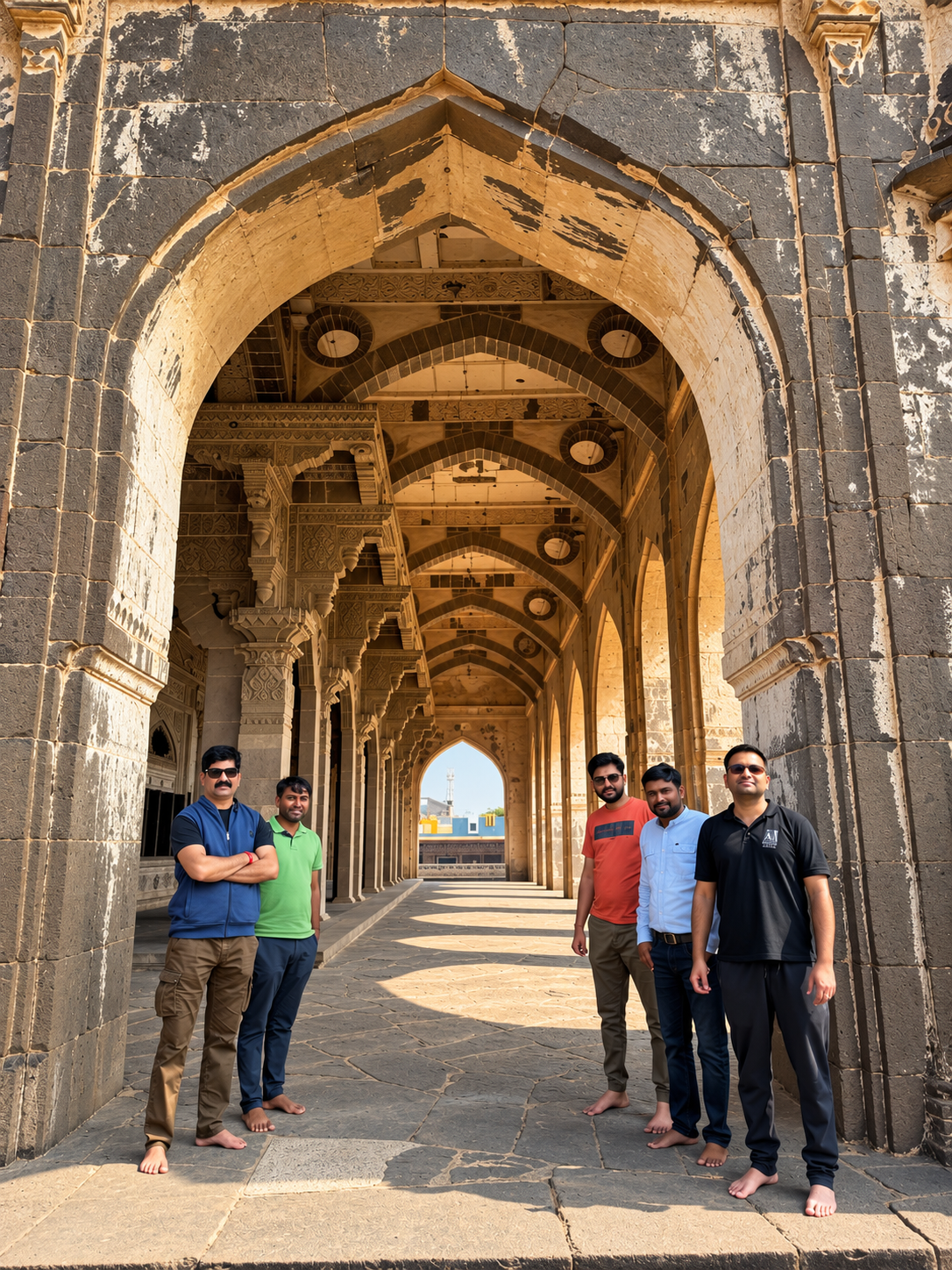
Cultural Intelligence is also valuable in workplaces. Multicultural teams can bring different ideas, experiences and methods of solving problems. However, diversity does not automatically lead to successful teamwork. Differences in communication, leadership, decision-making and attitudes towards time can create confusion. Cultural Intelligence helps team members clarify expectations, appreciate different viewpoints and create shared rules for cooperation. Earley, Ang and Tan explain that CQ supports effective work in culturally diverse workplaces, global teams, leadership roles and international assignments (Earley, Ang and Tan, 2006).
CQ is important for leadership as well. A leadership style that works well in one culture may not work equally well in another. Some groups may expect a leader to make clear decisions, while others may prefer participation and discussion. A culturally intelligent leader does not treat one style as universally correct. Instead, the leader studies the context and adapts while maintaining fairness and ethical standards.
Developing CQ also supports social harmony. In a world affected by cultural misunderstanding, prejudice and polarisation, people need the ability to listen to different perspectives without immediately rejecting them. Cultural Intelligence does not require accepting every belief or behaviour. Rather, it encourages respectful understanding, thoughtful dialogue and cooperation where possible.
In short, Cultural Intelligence is important today because it helps people communicate better, prevent conflict, include others, work effectively and live peacefully in a diverse world. It is a practical life skill, not only an international business skill. As the *Handbook of Cultural Intelligence* indicates, CQ is connected with cultural adaptation, communication effectiveness, teamwork, leadership and adaptive performance (Ang and Van Dyne, 2008).

How did Kush develop and is still
developing his Cultural Intelligence?

Over his career, Kush has taught in Delhi, Bangalore and Pune, excavated in Haryana, Odisha, Maharashtra and Telangana, done field-work in these states and Karnataka, Madhya Pradesh and Punjab. Kush learned a lot during his stints in different cultural settings, be it picking up languages to do his field work or communicating with his students and laborers in his excavation trenches or learning from every day practices of these settings and acclimatizing to blend in and learn more.
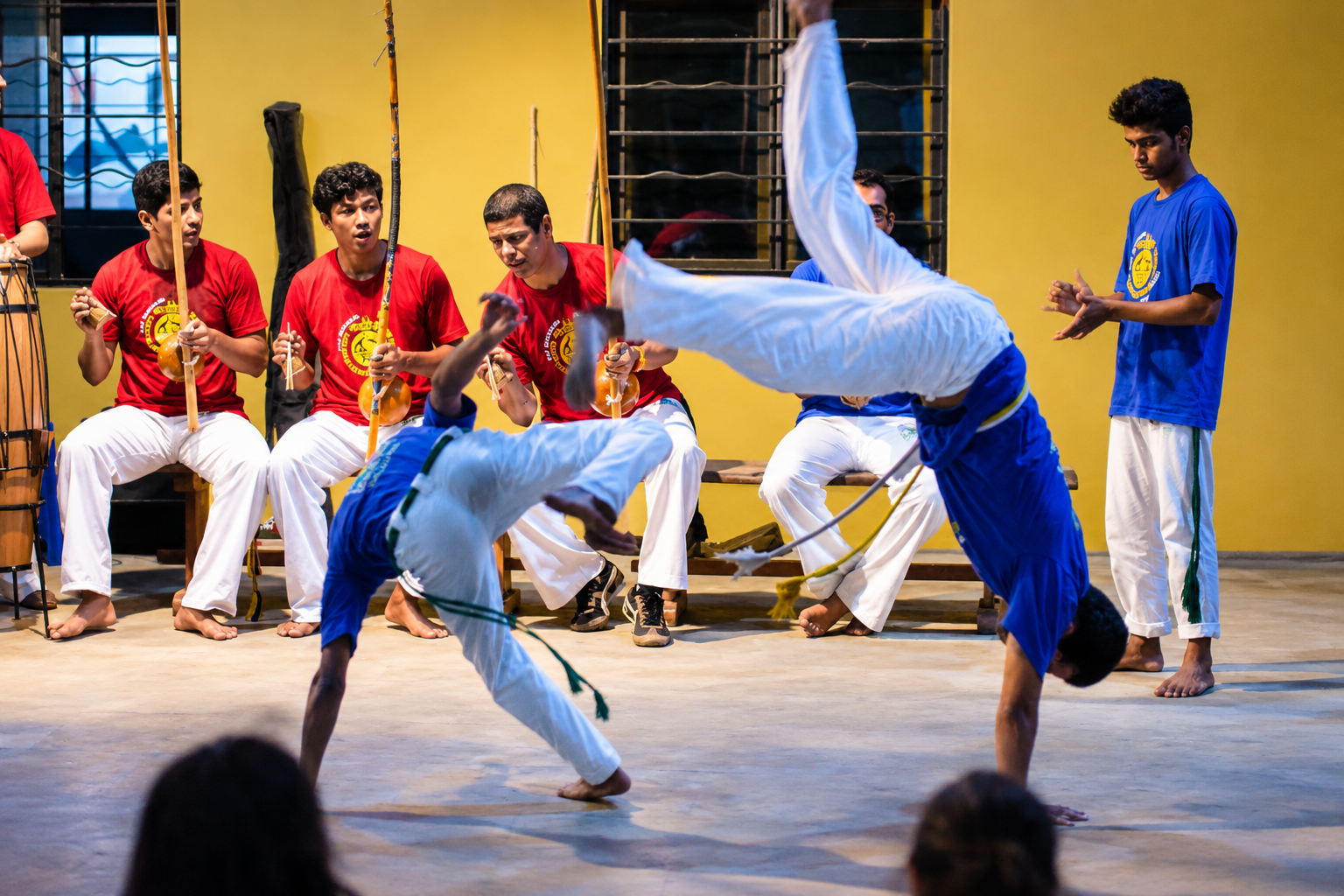
Over a period of time, Kush started figuring out what to observe, how to communicate and learn about different cultures. To further enrich his cultural palette, his PhD took him into understanding different martial arts and cultures of India and abroad. He studied the akhara cultures of Pune, Kolhapur and Mysore and learned Mixed Martial Arts, Brazilian Jiu-Jitsu and Capoeira. He learned Spanish and Italian and whatever Portuguese he can understand is courtesy Capoeira and Brazilian Jiu Jitsu.
Slowly, Kush started noticing different cultural evolutionary processes of the that shaped our present and important personalities who used their cultural intelligence and acumen to further their cause in the past and present.
All of Kush’s experiences made him realize and contemplate certain things. When it comes to social sciences and humanities, there is no absolute truth, there are different realities and there are perspectives. As E H Carr said, before studying the history, study the historian. Similarly, Kush endorses the fact that everyone has biases, nothing that one produces is free of them, but a good reader or audience knows how much of the content in front of them is biased and what parts to internalize what to discard. This is exactly what Kush envisions to nudge the children and youth towards, through his work.

How will Kush’s work aid in fostering Cultural Intelligence
among Indian children and youth?

Through the contexts and stories of his comics and games Kush tries to show the multi-linear, pluralistic and cosmopolitan aspects of India in the past and present. He always has multiple perspectives and realities in his stories and he likes to ask or nudge the reader some complex and existential questions whose answers are not possible to be given that easily. He tries to associate negative or evil aspects of society to a vile character so that he doesn’t alienate any particular section of society and tries to maintain a very firm stance in the fact that culture and society is so complex to be grossly generalized and stereotyped.

References

Ang, S. and Van Dyne, L. (eds.) (2008) *Handbook of cultural intelligence: Theory, measurement, and applications*. Armonk, NY: M.E. Sharpe.
Earley, P.C., Ang, S. and Tan, J.-S. (2006) *CQ: Developing cultural intelligence at work*. Stanford, CA: Stanford University Press.
The Oxford Review (n.d.) ‘Cultural intelligence (CQ): Definition and explanation’. Available at: [https://oxford-review.com/the-oxford-review-dei-diversity-equity-and-inclusion-dictionary/cultural-intelligence-cq-definition-and-explanation/] (https://oxford-review.com/the-oxford-review-dei-diversity-equity-and-inclusion-dictionary/cultural-intelligence-cq-definition-and-explanation/) (Accessed: 15 August 2026).

ARCHAEOLOGY

Unearthing the Past: An
Archaeological Journey
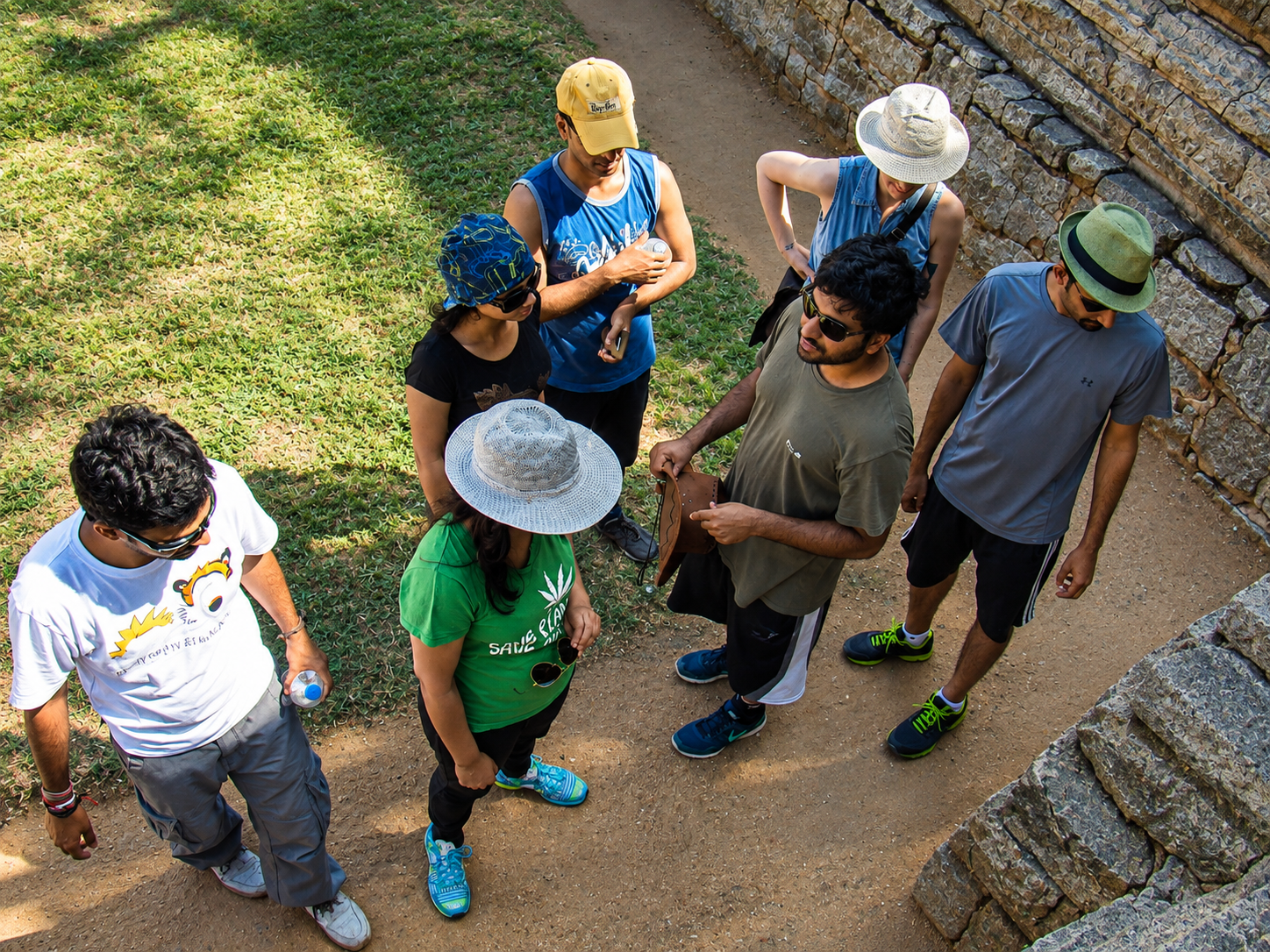
Kush did his Masters in Ancient Indian History, Culture and Archaeology and PhD in the same subject from Deccan College, PGRI Pune. His MA Dissertation was on the sculptures of Grappling or Wrestling from 5 monuments in Maharashtra belonging to 8th to 12th centuries CE and later his PhD was on similar sculptures on the monuments of Vijayanagara Monuments in Karnataka and Andhra Pradesh.

EXCAVATIONS

Kush has worked as a student trainee at excavations at Rakhigarhi (Harappan period site) in Haryana, Talapada (Early Historic period site) in Odisha and Math Pimpri (Medieval period site) in Maharashtra. He worked as a trench supervisor at excavations in Phanigiri (Early Historic to Medieval period site) in Telangana and Gorewada (Megalithic site) in Maharashtra. Finally he worked as a senior archaeologist and trainer at Kunal (Pre and Early Harappan period site) and Agroha (Early Historic and Medieval period site) both in Haryana.

Explorations and Field Work

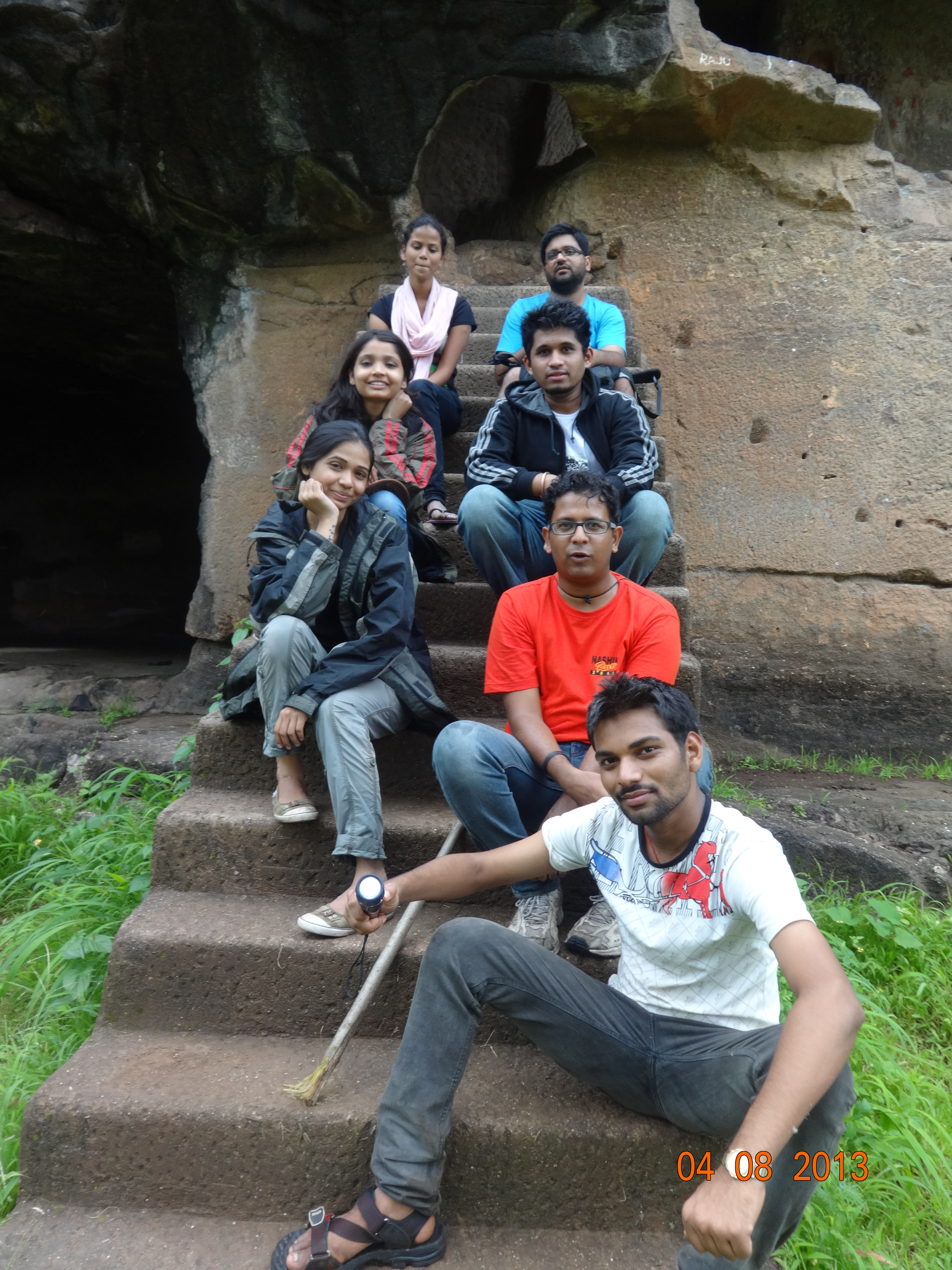
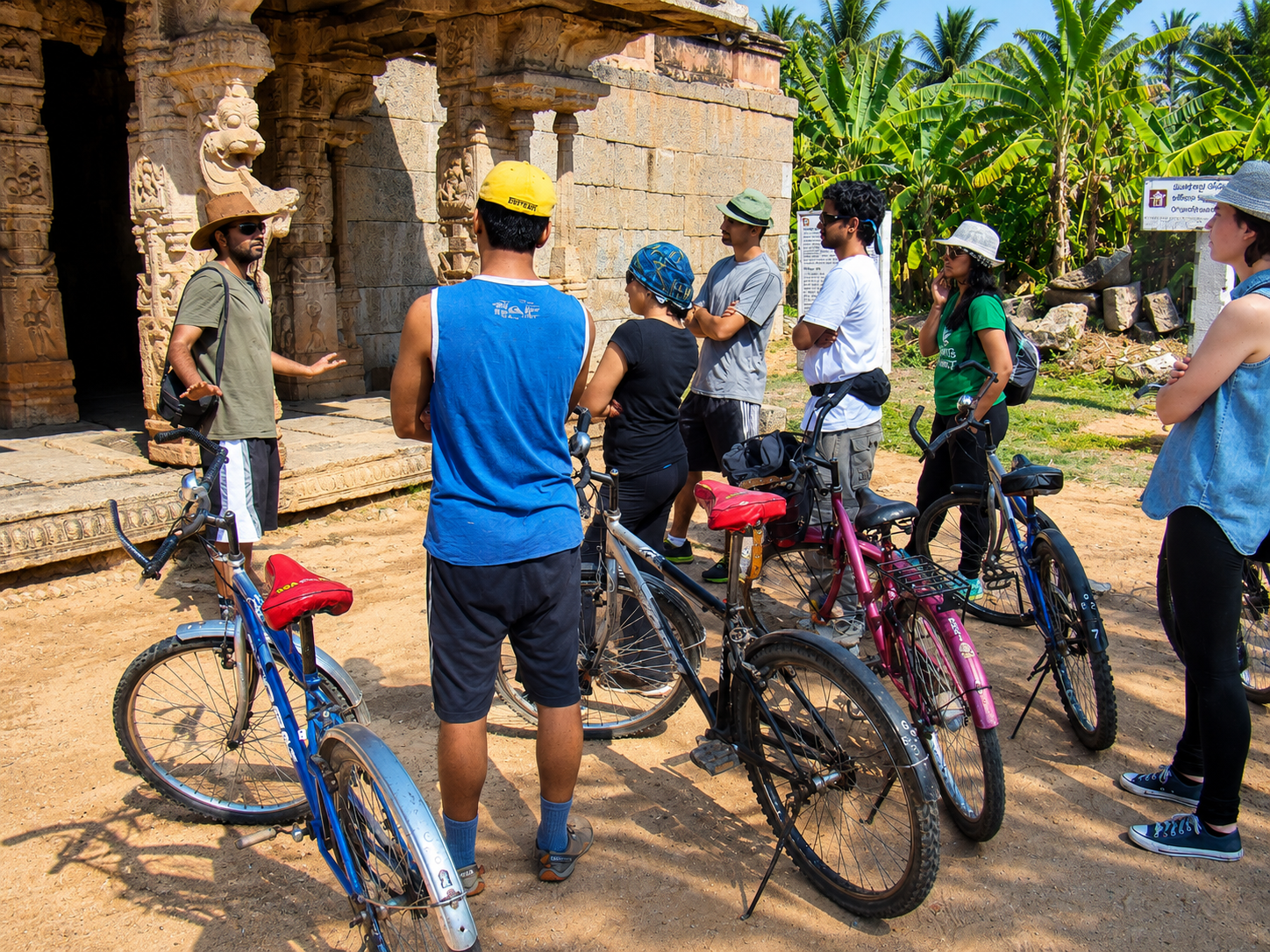
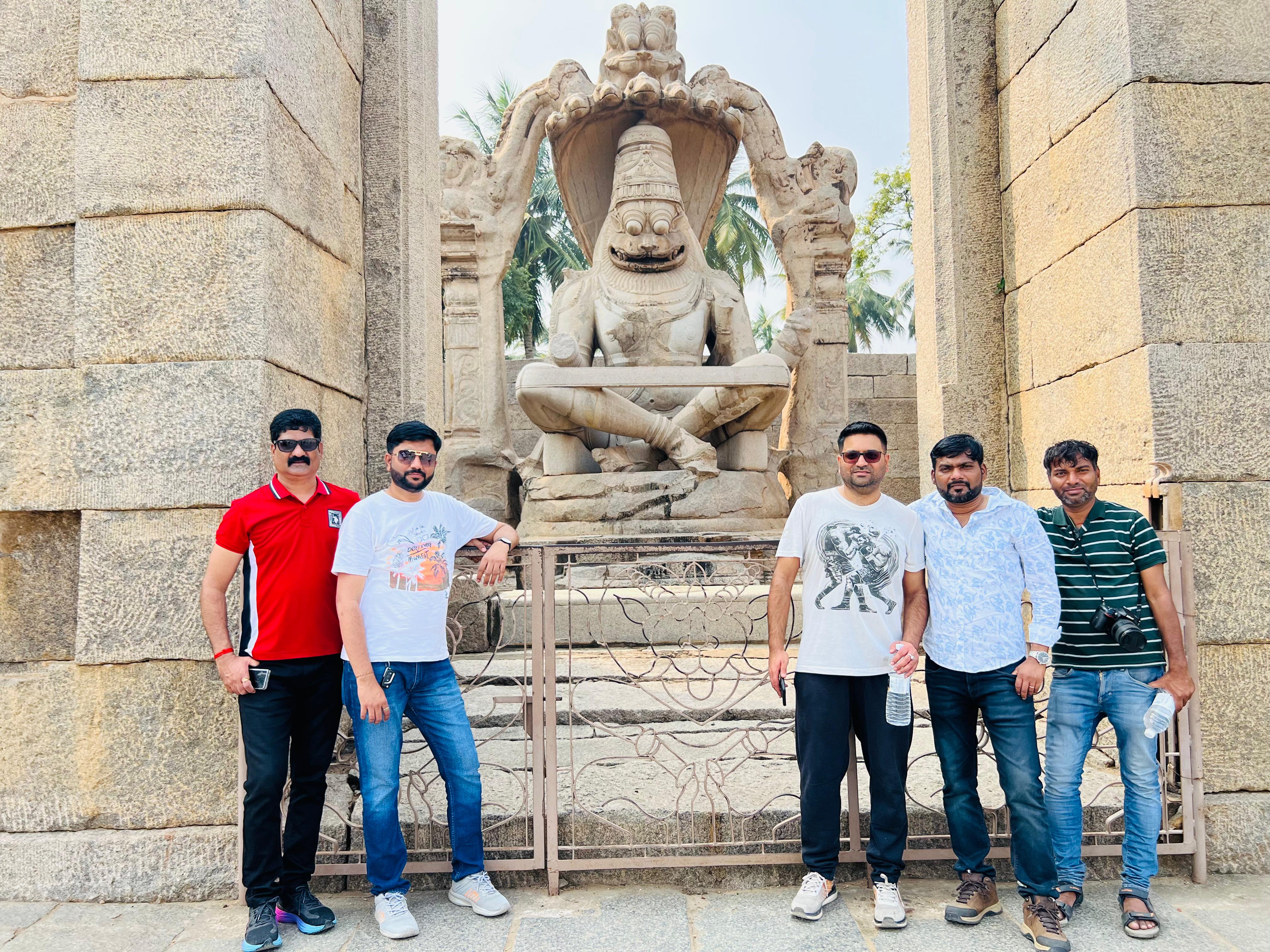
As a student trainee Kush has explored more than 50 Buddhist and Jain Caves in Maharashtra and more than 200 temples in Maharashtra, Odisha and Madhya Pradesh. During the same field works and explorations he also worked on documentation of inscriptions and hero stones of Maharashtra with his professors.
For his PhD, Kush surveyed more than 400 temples in Karnataka, Andhra Pradesh, Telangana, Maharashtra and Gujarat. Finally for his Post Doctoral research at Ashoka University, he will be studying close to 30 temples of Gujarat.
As a consultant with the Department of Archaeology and Museums, Haryana he surveyed and documented numerous prehistoric sites and rock-art in the forests of the Aravali Range.

ANTIQUITIES DOCUMENTATION AND ANALYSES
As a Senior Research Fellow with the Department of Science and Technology, GoI, Kush was part of the project titled ‘Archaeogenetic Research and Cultural Resource Management of the Harappan Site of Rakhigarhi’ where he helped in documentation and report writing of the antiquities from the Harappan site of Rakhigarhi in Haryana that were excavated by Deccan College from 2013-16.
As a consultant with the Department of Archaeology and Museums, Haryana he worked on the documentation and analyses of antiquities from the Pre and Early Harappan site of Kunal in Haryana.

EDUCATION

A Journey Through
Learning & Teaching
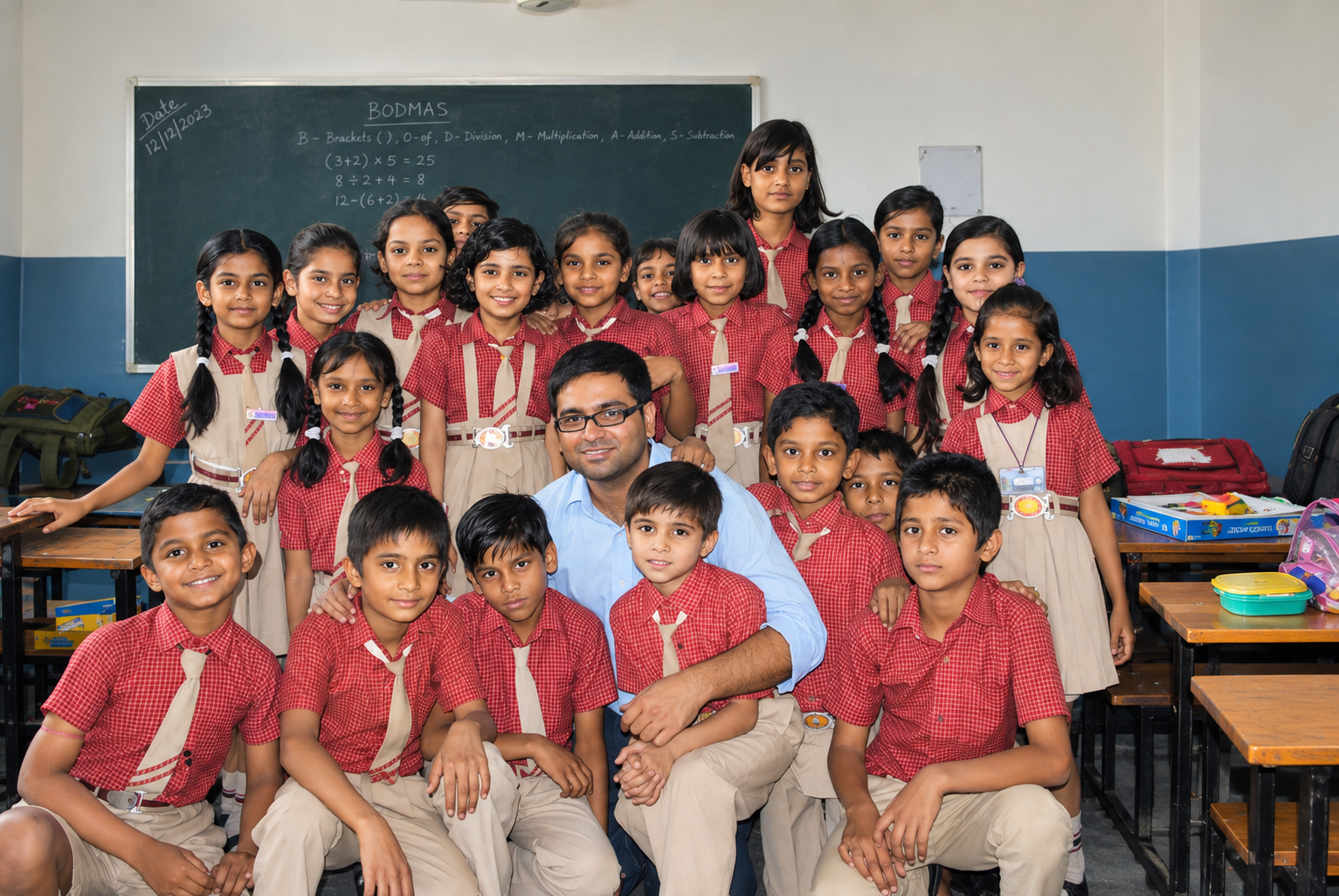
Kush started his professional journey in 2011 as a Teach For India Fellow where he taught 30 3rd Graders for two years in a low-income private school in Seelampur. After his MA in Deccan College, Kush felt that the opportunities in archaeology at that time were not cut out for him so he pivoted back to K 12 education and taught History, India Studies and Hindi in a Cambridge board all-girls secondary school in Pune for a little over a year in 2015. In 2017, Kush moved to Bangalore to teach in an International Baccalaureate School and concurrently got PhD admission in 2018 at Deccan College PGRI.
He used his time in Bangalore to complete his field work in Karnataka and Andhra Pradesh and he went back to Delhi to focus on his PhD and work with his MMA and BJJ coach Siddharth Singh. Between 2018 and 2020, Kush continued teaching in private tuition centers and platforms in Delhi and online where he taught History, Social Studies and Spanish.

Arts & Comics

Comics Pedagogy
and Arts Practice
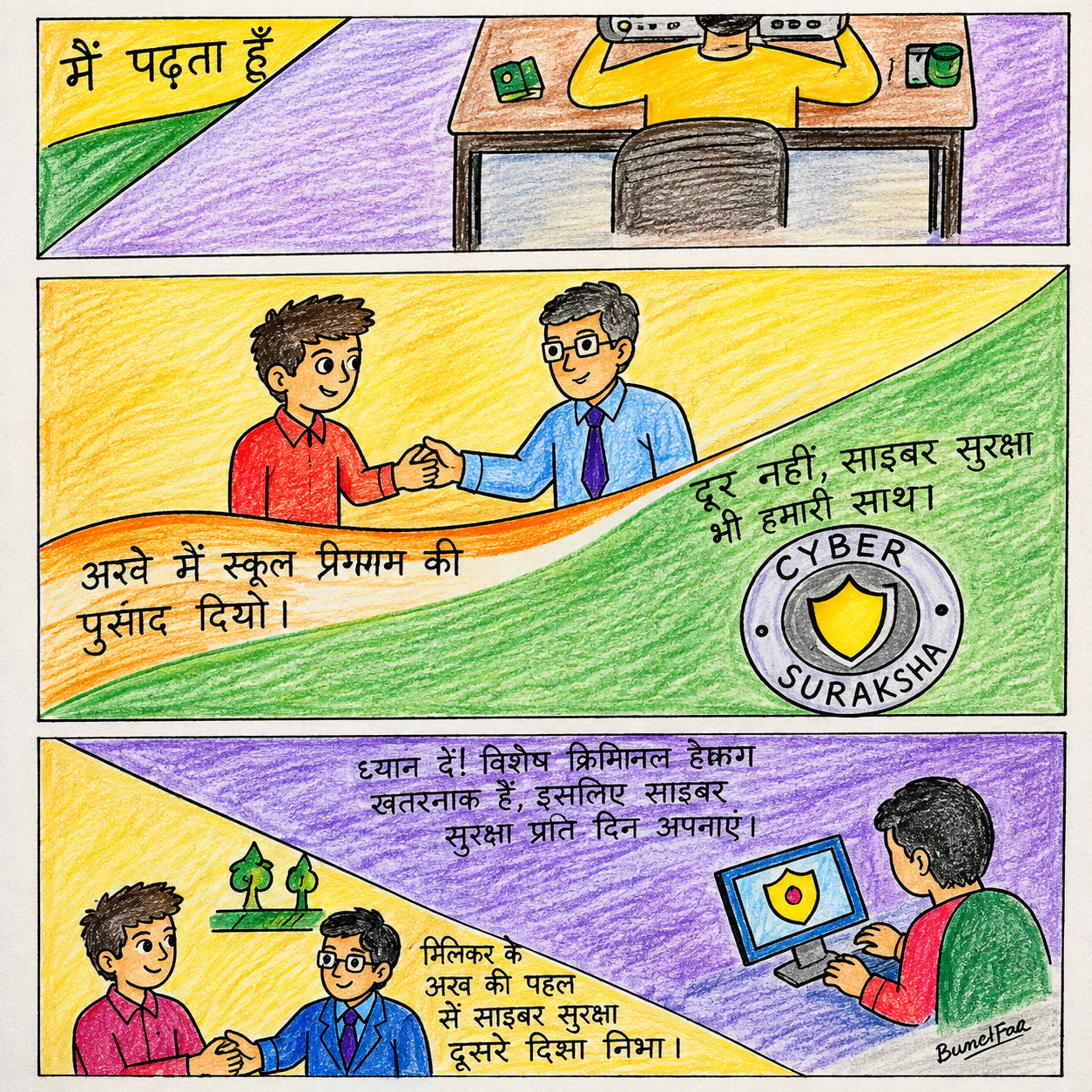
Kush started using visual imagery and archaeological methodologies to teach different concepts of History and Humanities as a whole in the all-girls school he taught in Pune first. There he used iconography through clay, dummy excavations, epigraphy and numismatics to teach different relevant concepts like making connections, contextual learning, cartography and cause and effect. This was the first time where he used comics pedagogy to teach History, Hindi and India Studies.
He used comics made by other creators but what he found most fruitful was the comic made by the girls on a topic that was part of their course. The product was not as aesthetic as a professional comic but the entire process of research, writing, drawing helped them learn a lot of skills which wouldn’t have been possible. He repeated these things with his students in Bangalore as well.
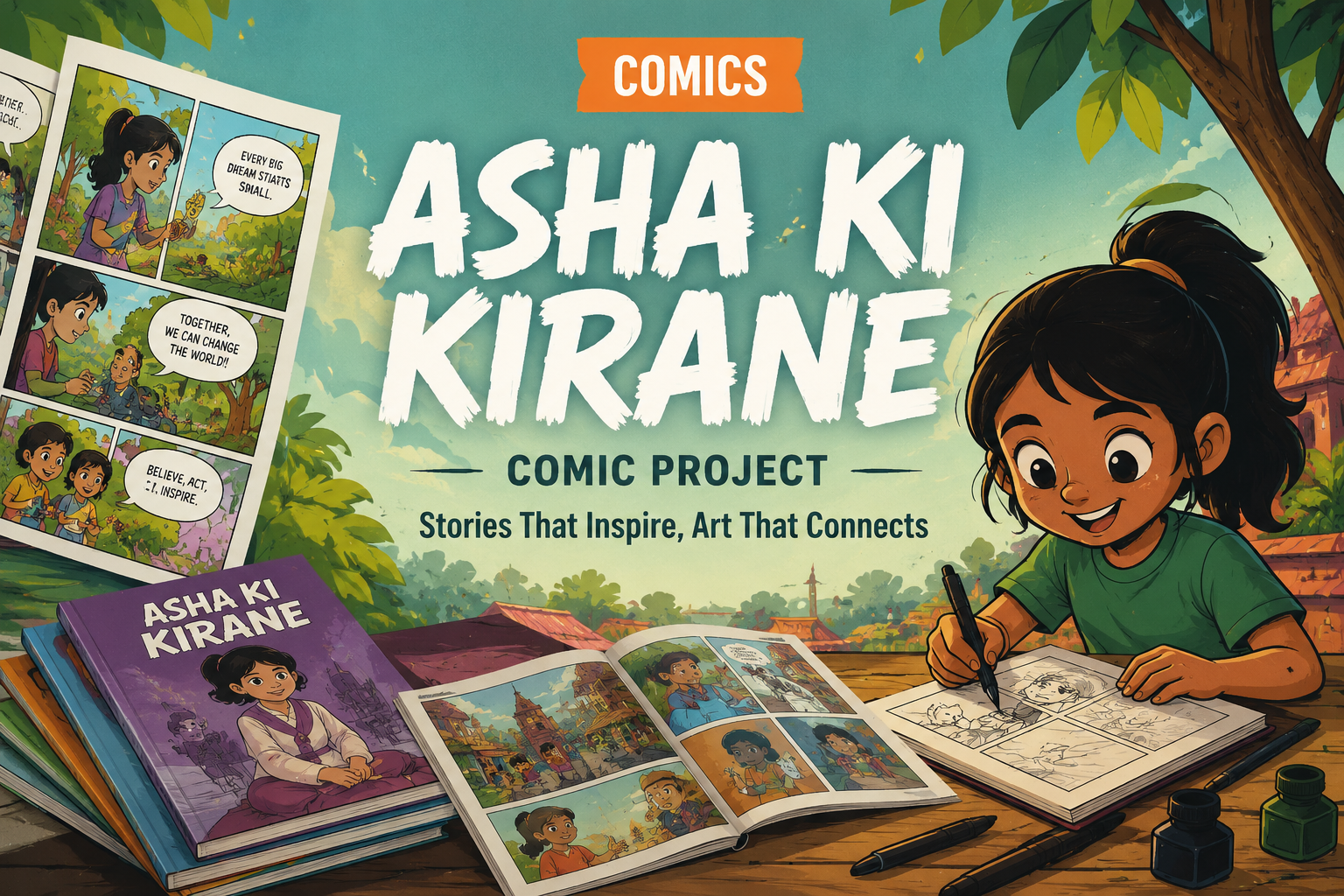
Kush chose comics pedagogy as a medium to explain Indian culture that led to the birth of Vratya Foundation and Indie Gatha Play Lab. Kush is also a part of the Art Medium Circle under the aegis of LAND and Devi Art Foundation where he worked on two projects with a few girls from Women and Child Development Department, Govt. of Haryana’s Child Care home in Panchkula.
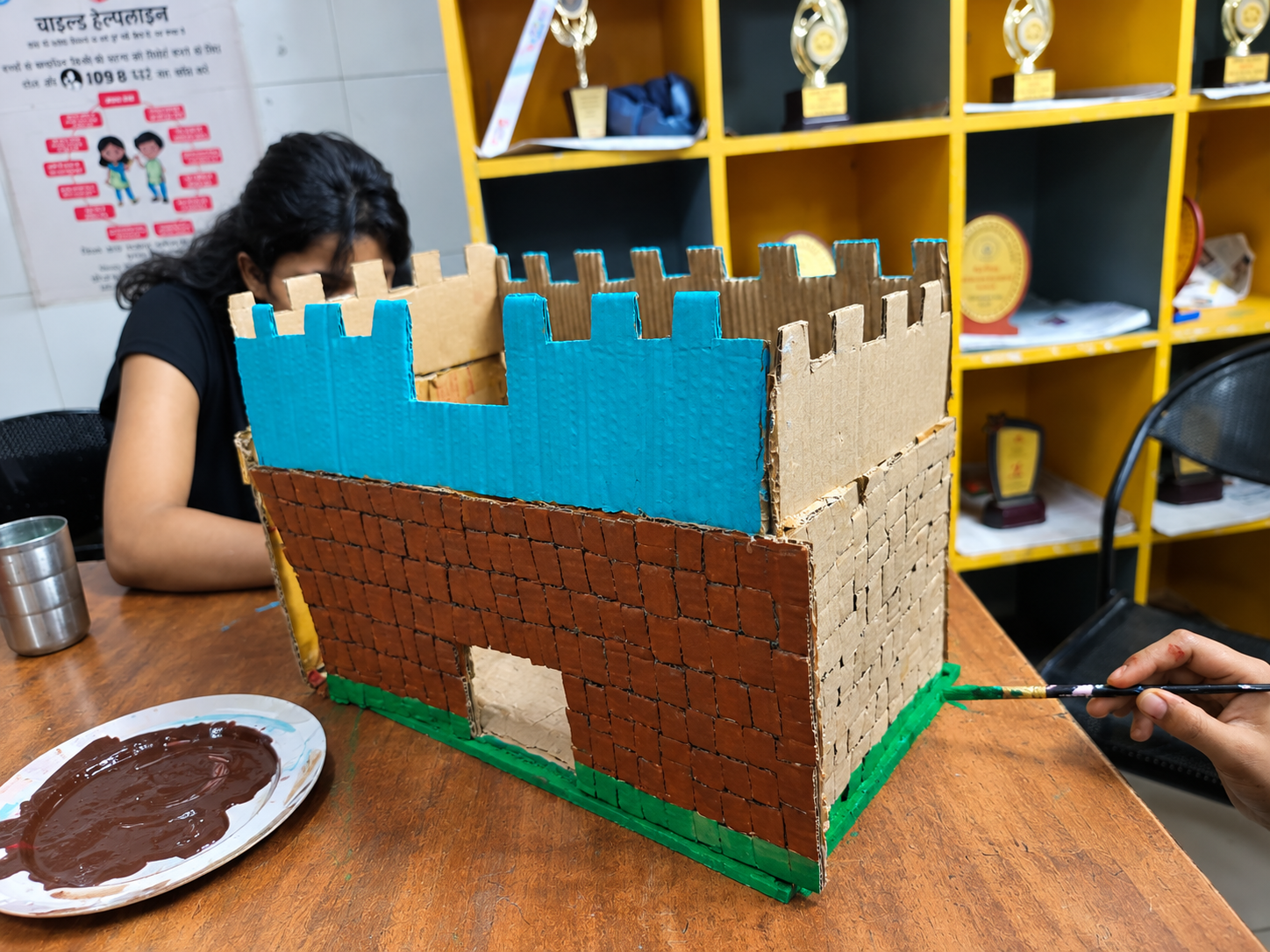
One was a comic project where the girls made their own comics and other was a vernacular architecture project where girls made dioramas of different types of architecture around them. The girls made their own art collective known as Asha Ki Kirane Art Collective.
Kush is part of the Serendipity Arts Foundation’s 1st Brij Cultural Leaders Fellowship Cohort of 2026 where he is working on an inquiry of how can a cultural practice be transformed into cultural leadership and eventually into an entrepreneurship model.
He is working with his peers and mentor on how cultural intelligence can play a pivotal role as enabler for the above-mentioned inquiry.

MARTIAL ARTS

Discipline, Strength
and Life Lessons
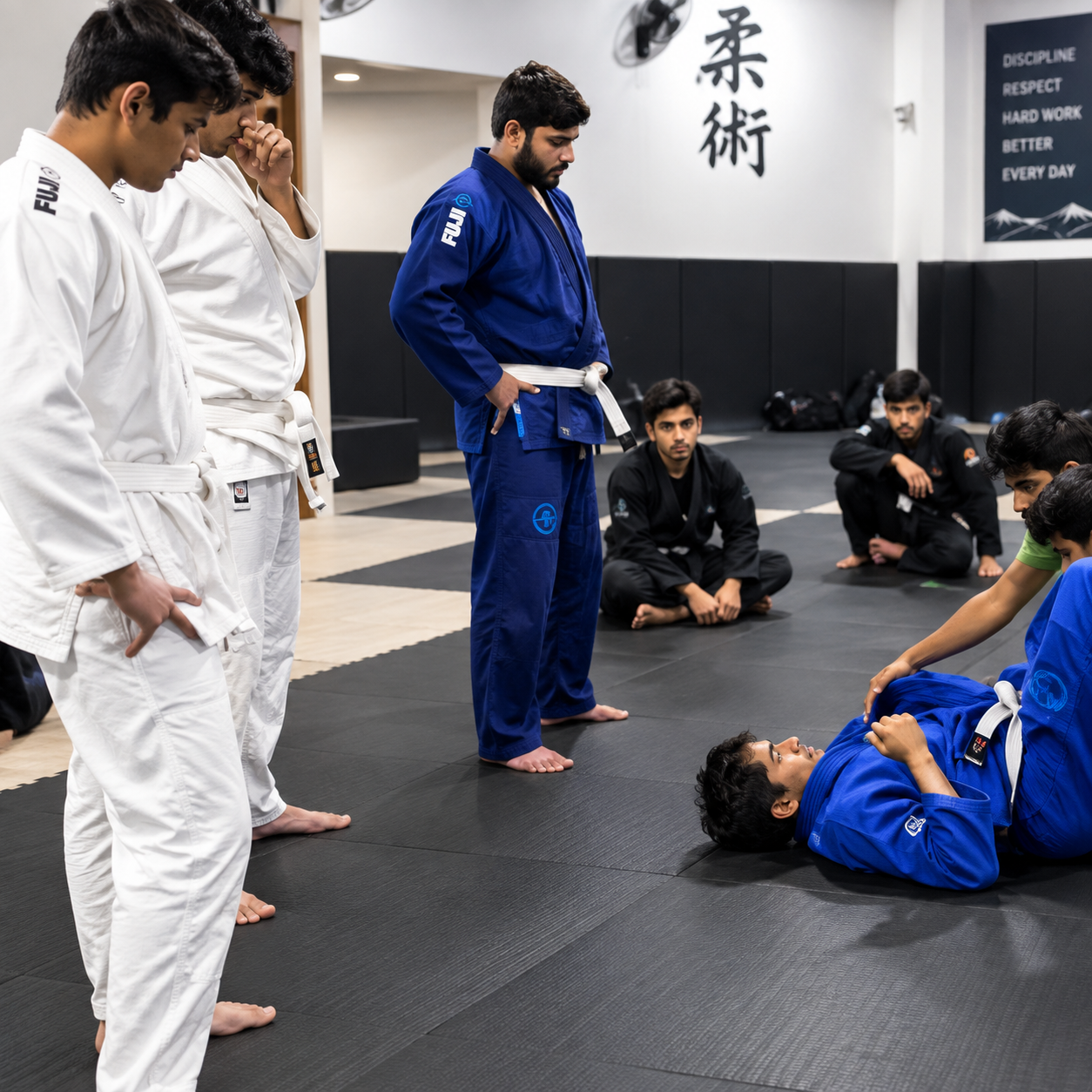
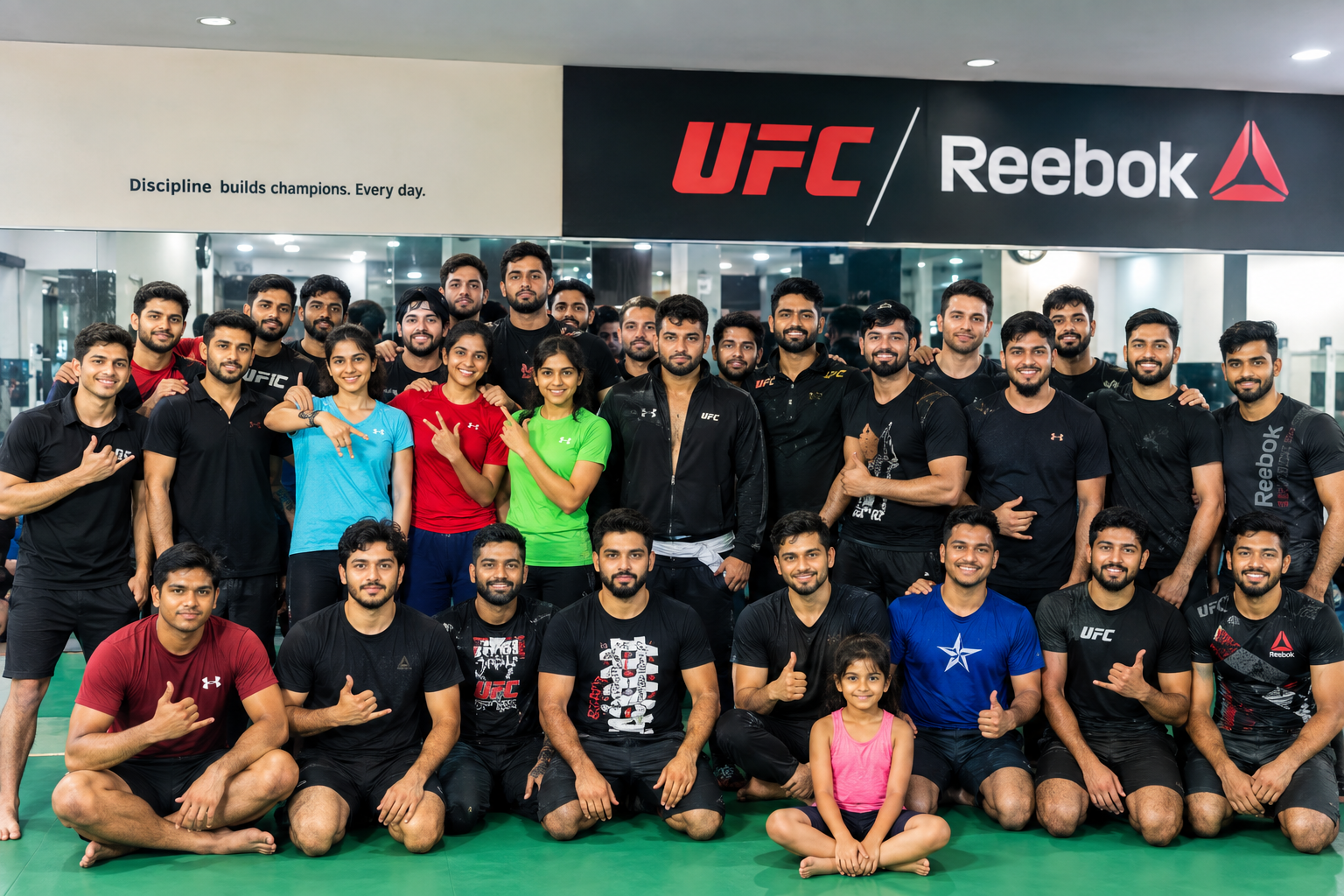
Due to his research Kush Dhebar PHD got involved in the world of martial arts and fighting. He wanted to learn traditional Kushti or mud wrestling but he could not learn it due to the fact that he was a city boy who was a little apprehensive of traveling to suburbs of Pune and Delhi where such Akharas exist. But as an observer, he did muster up a lot of courage to enter these places in Pune, Kolhapur and Mysore and interact with wrestlers. But he did manage to join a Mixed Martial Arts and Brazilian Jiu-Jitsu gym in Delhi, named Crosstrain Fight Club which became his extended family and he is still in touch with most his team mates and coaches. While teaching in Bangalore, Kush trained at Institute of Jiu Jitsu and learned Capoeira for a couple of years in Pune.
Kush also had the fortune of organizing an amateur MMA fight night for Reebok in Bangalore and a grappling tournament known as Abu Dhabi Combat Club in Delhi along with his mentor and coach Prof Siddharth Singh, who is also the founder of Crosstrain Fight Club.
He even did some content writing for Crosstrain Fight Club’s website and made the first beginner’s Brazilian Jiu Jitsu curriculum with Prof Sidharth Singh.

EXPERIENCE ACROSS INDIA

Exploring. Teaching. Learning. Sharing.

10+

Years of Experience

50+

Archaeological Sites

200+

Temples Surveyed

30+

Students Taught

10+

Published Articles

EXPERIENCE ACROSS INDIA

Stories, Research & Reflections
FELLOWSHIPS & GRANTS

Recognitions that Inspire